Bojagi: Korean traditional wrapping gets its day in the sun

Standard

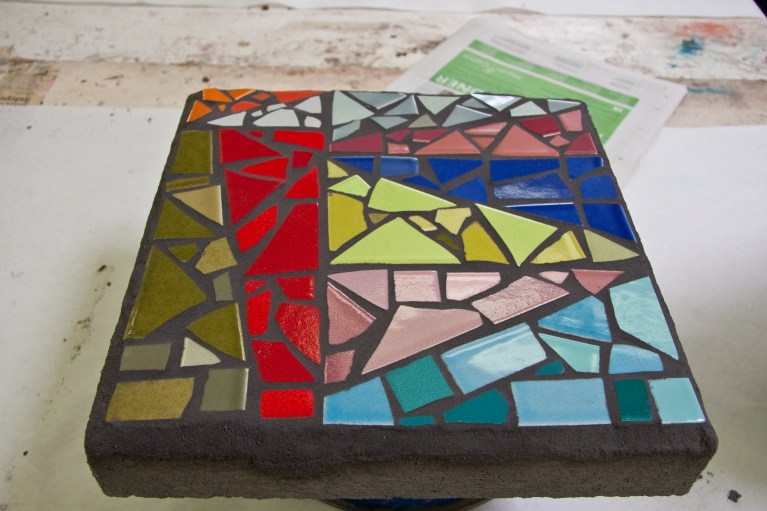
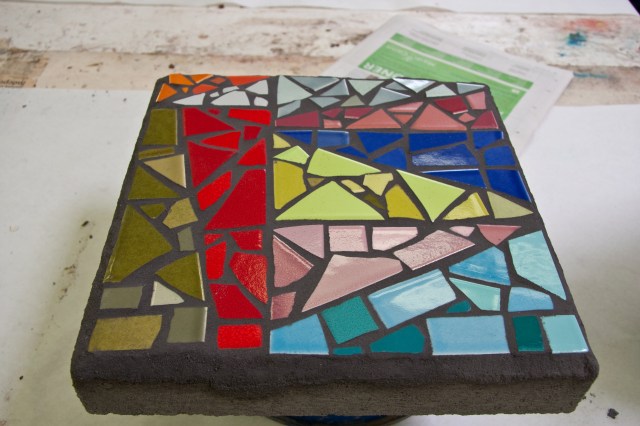
My version of a traditional Korean wrapping cloth, only made in stone. It now sits in my minigarden, the lone product of my mosaic ambitions.

A crafty friend just sent me a link to an upcoming exhibit at SF’s Museum of Craft and Folk Art. Opening on June 17 and on display through Oct. 23, “Wrapping Traditions: Korean Textiles Now” puts b(p)ojagi, traditional Korean wrapping cloths, front and center. I saw my first bojagi at the British Museum  in London in 2001. It was included in an exhibit on the art and archaeology of Korea, part of the museum’s general collection. I loved the piece so much, I bought the accompanying book. (See below.)
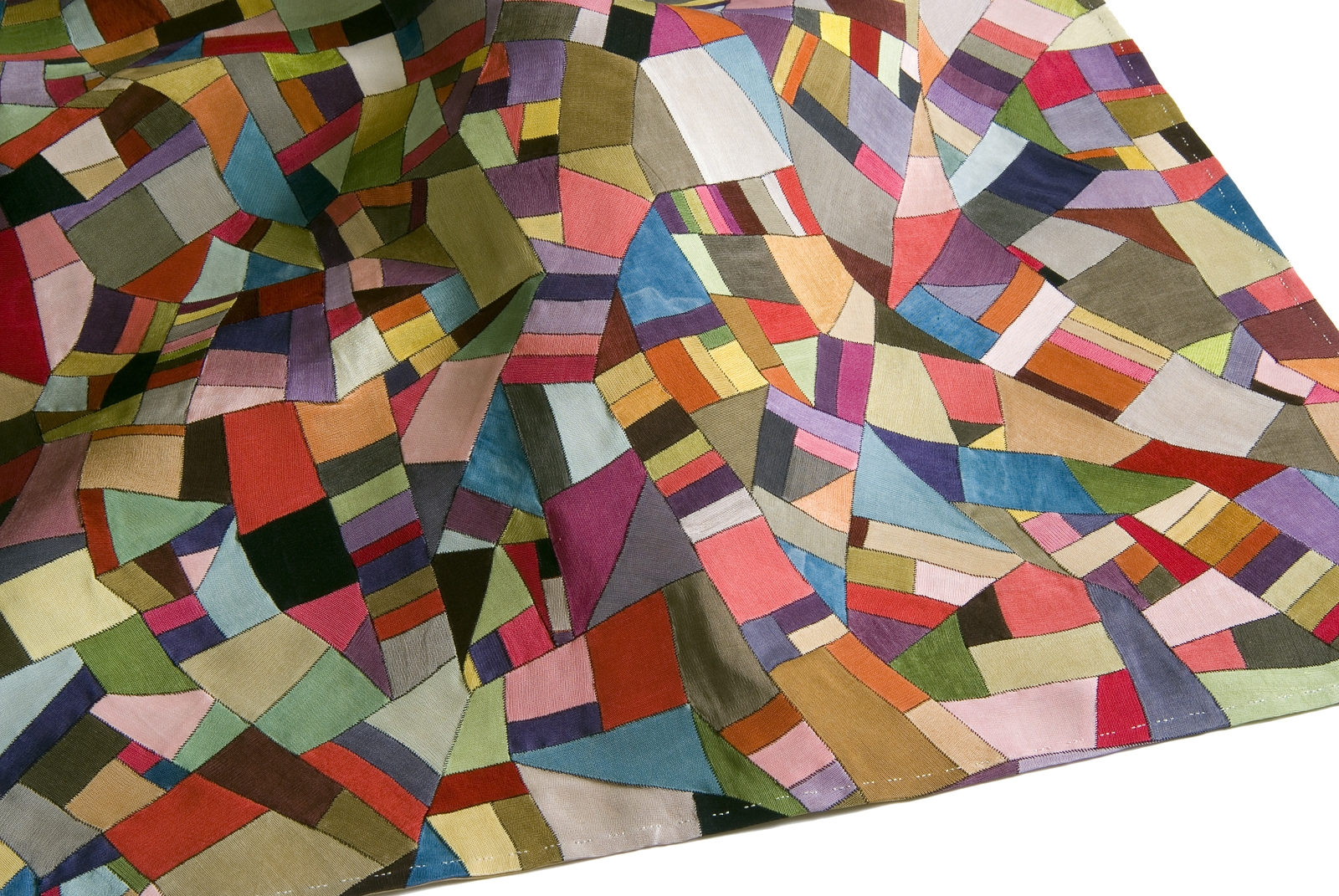
"Harmony" by Eun-Ji Lee; Silk, natural dyeing, 25.6 in x 21.7 in

The SF exhibit, which comprises works by more than 30 Korean artists and dozens of others from countries as diverse as Finland and Japan, features some amazing traditional and non-traditional takes on the artform. Two of my favorites by Eun-Ji Lee and Yeon-Joon Chang take wildly different interpretations of the bojagi concept.

For years I wanted to make something that honored this same tradition, but, alas, I did not inherit my mother and my halmoni‘s sewing genes. I tried to convince an old roommate who’d become obsessed with quilting to make some bojagi. But despite her Korean roots, she was more into making traditional Western quilts and the like.
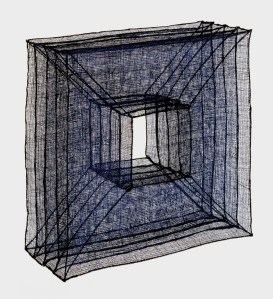
"Matrix 0909" by Yeon-Soon Chang; Abaca fiber, indigo dye, machine sewn, 13.4in x 13.2in x 5.3in

Then in 2009, just after moving West to California, I enrolled in a mosaic’s class. I can’t draw, paint or sew, but I can arrange, darn it! And so I made the best homage I could out of broken tiles and mortar. I realized that I will never be a great mosaicist, but the stepping stone makes a nice addition to my porch garden.

The Museum of Craft and Folk Art is located at 51 Yerba Buena Lane, San Francisco, California. Museum hours are Wed. through Sat. 11 a.m. to 6 p.m. (closed Sun. to Tues.). Admission is $5 for general public, $4 for seniors, (62 and older).  For more information call (415) 227-4888 or visit www.mocfa.org.
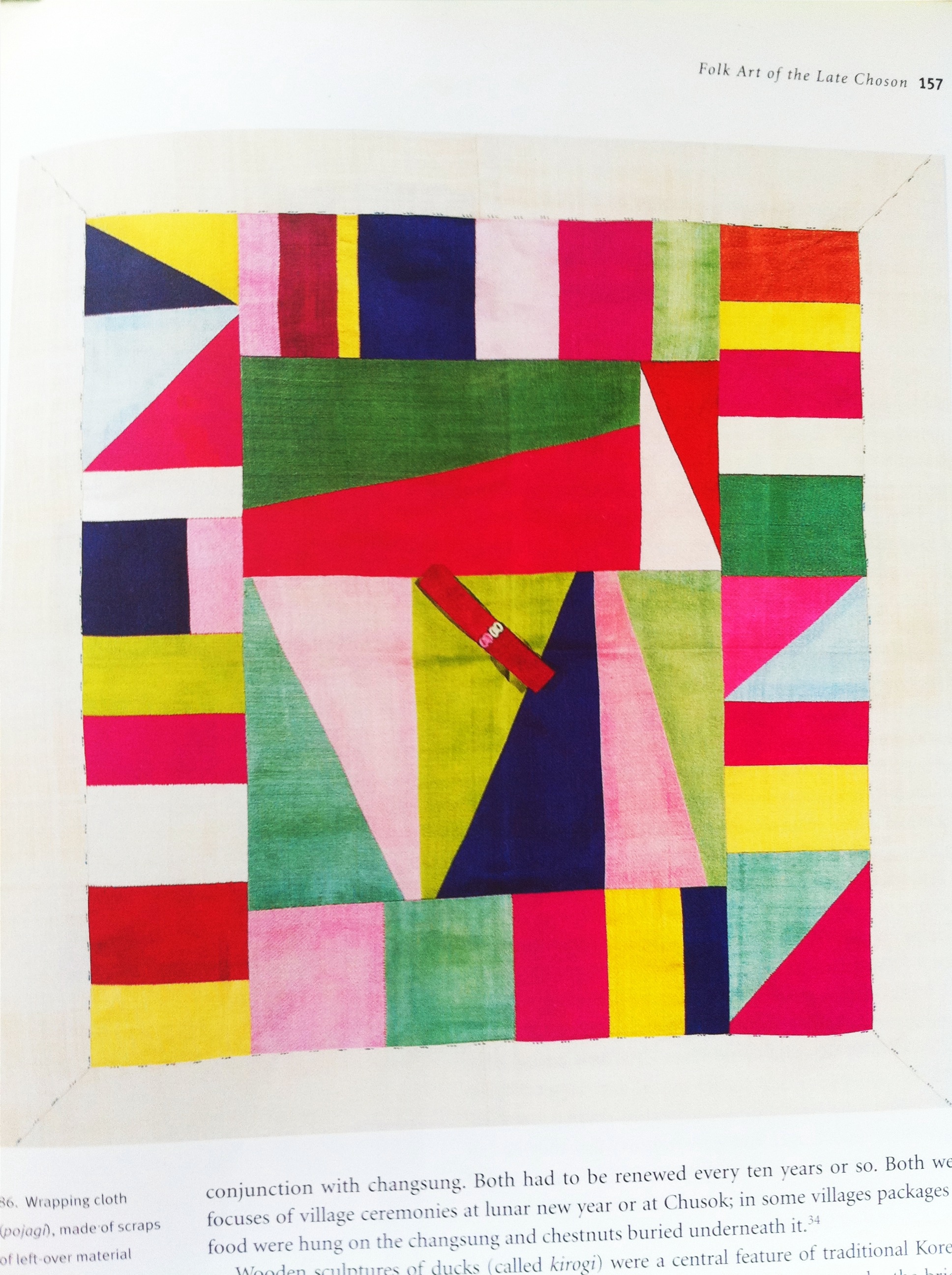
The inspiration for my mosaic bojagi from Korea: Art and archaelogy, p. 157.
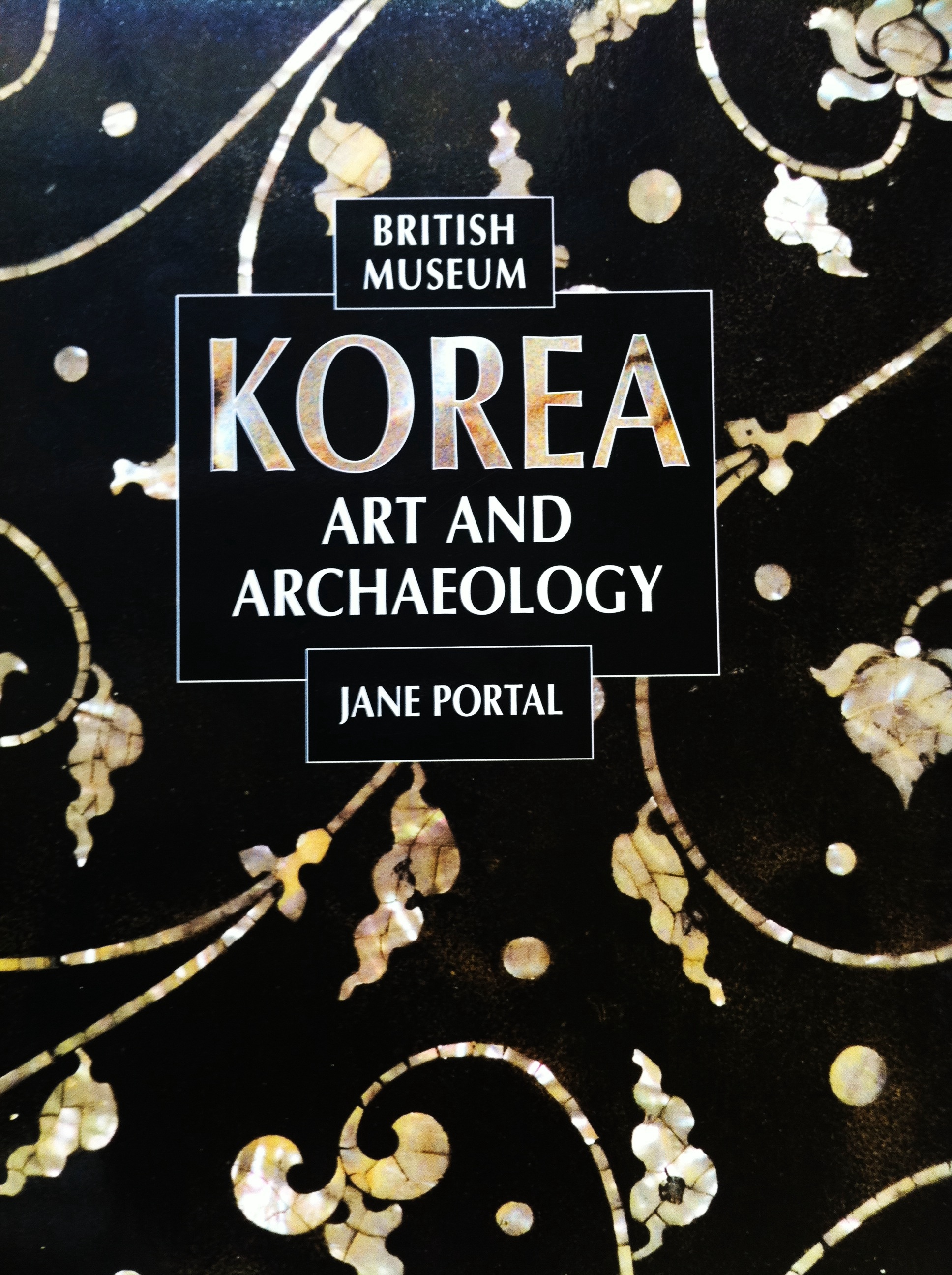

Written by Jane Portal, Korea: Art and archaeology was published by the British Museum Press in 2000.

Koreanese bento #22: Stinky bento yum

Standard

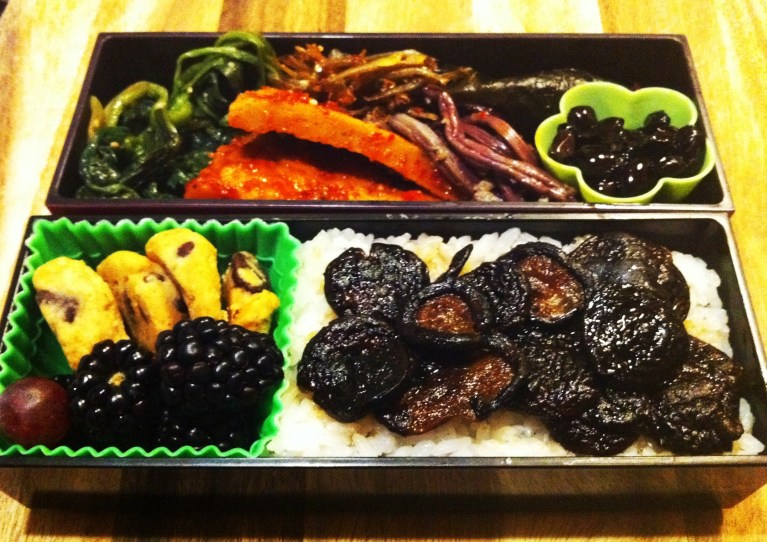
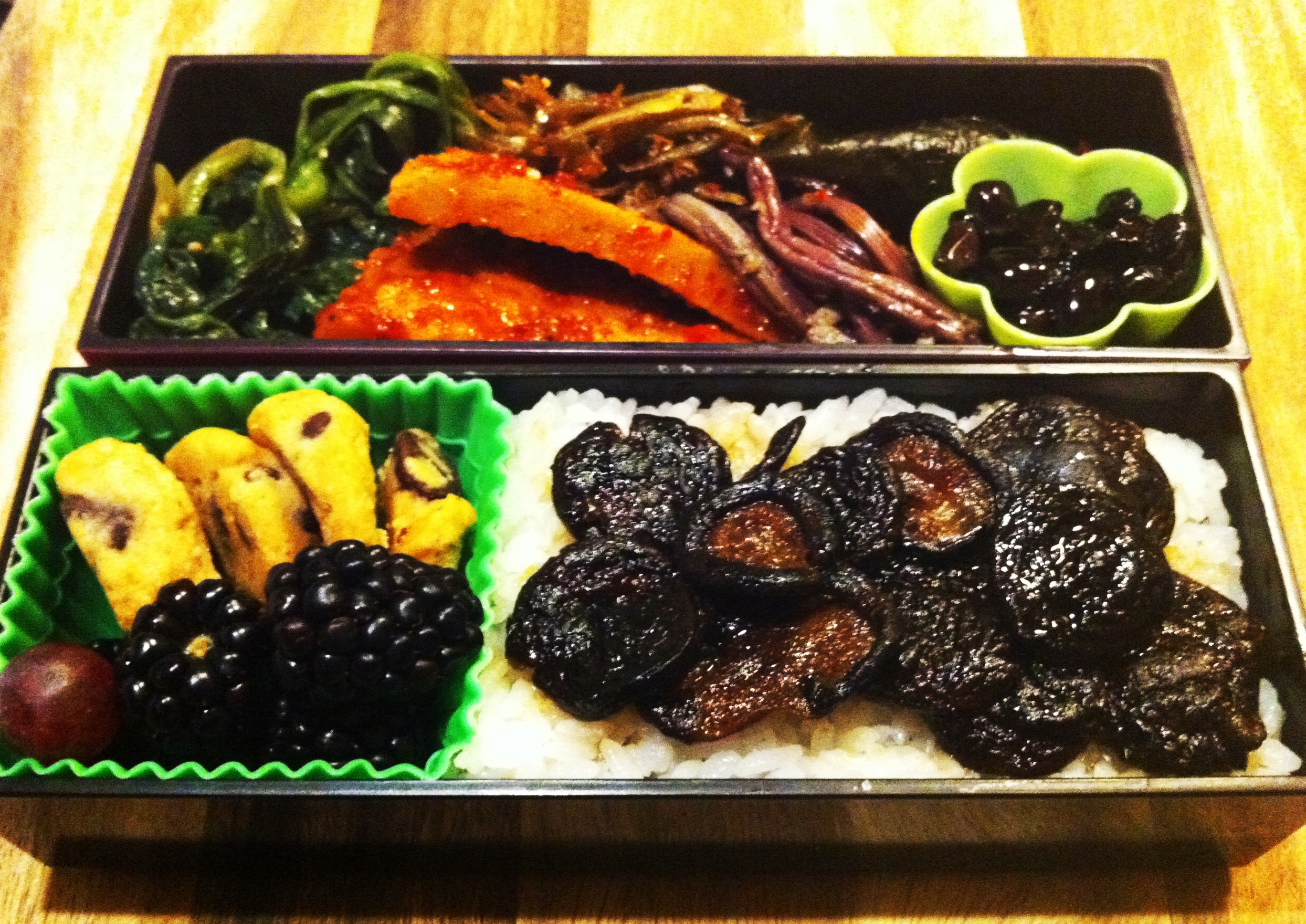
Teriyaki mushrooms over rice next to fruit and mini chocolate chip cookies; assorted panchan of seasoned spinach, bracken, black beans, spicy fish cake, marinated perilla leaves and dried anchovies.

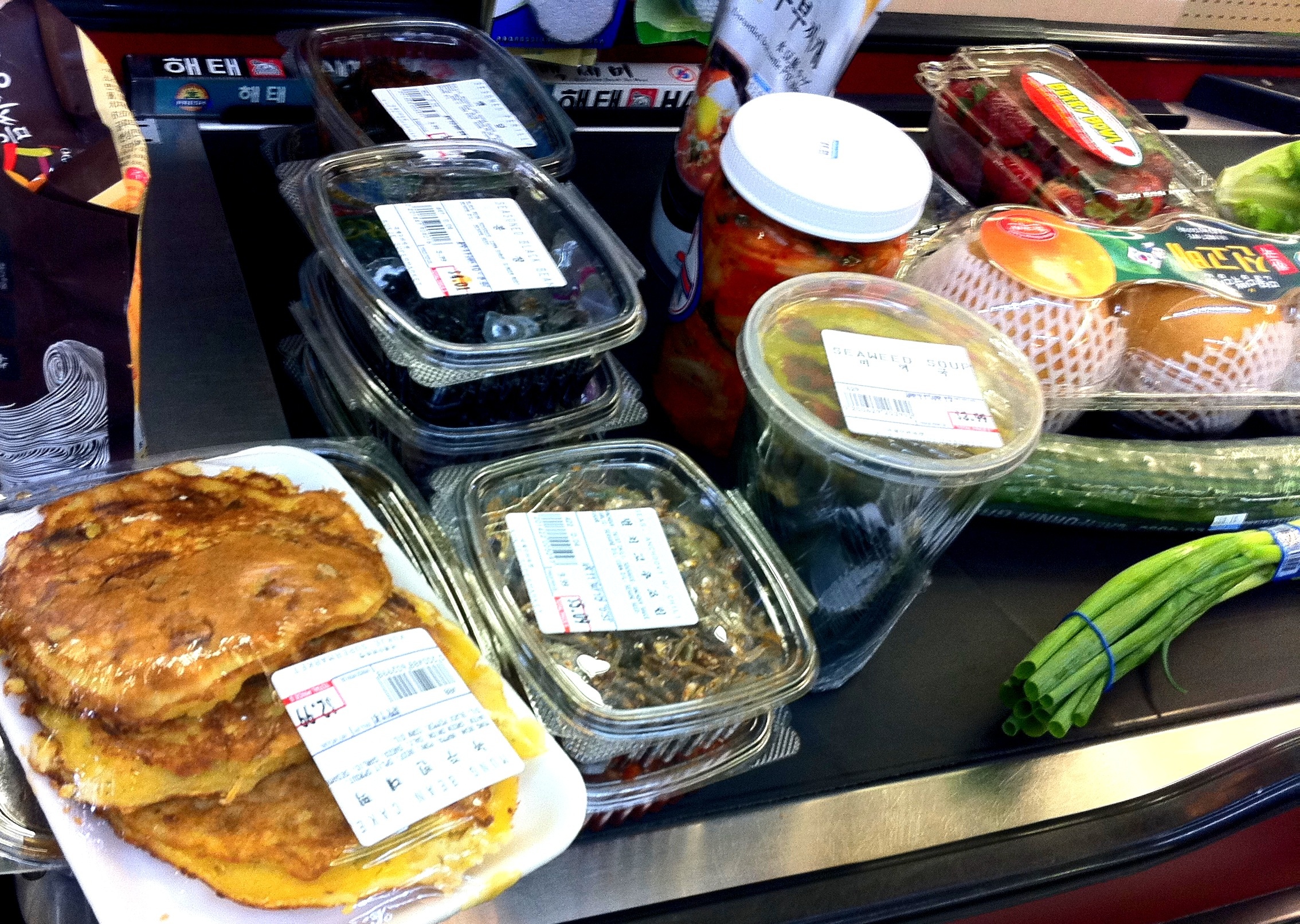
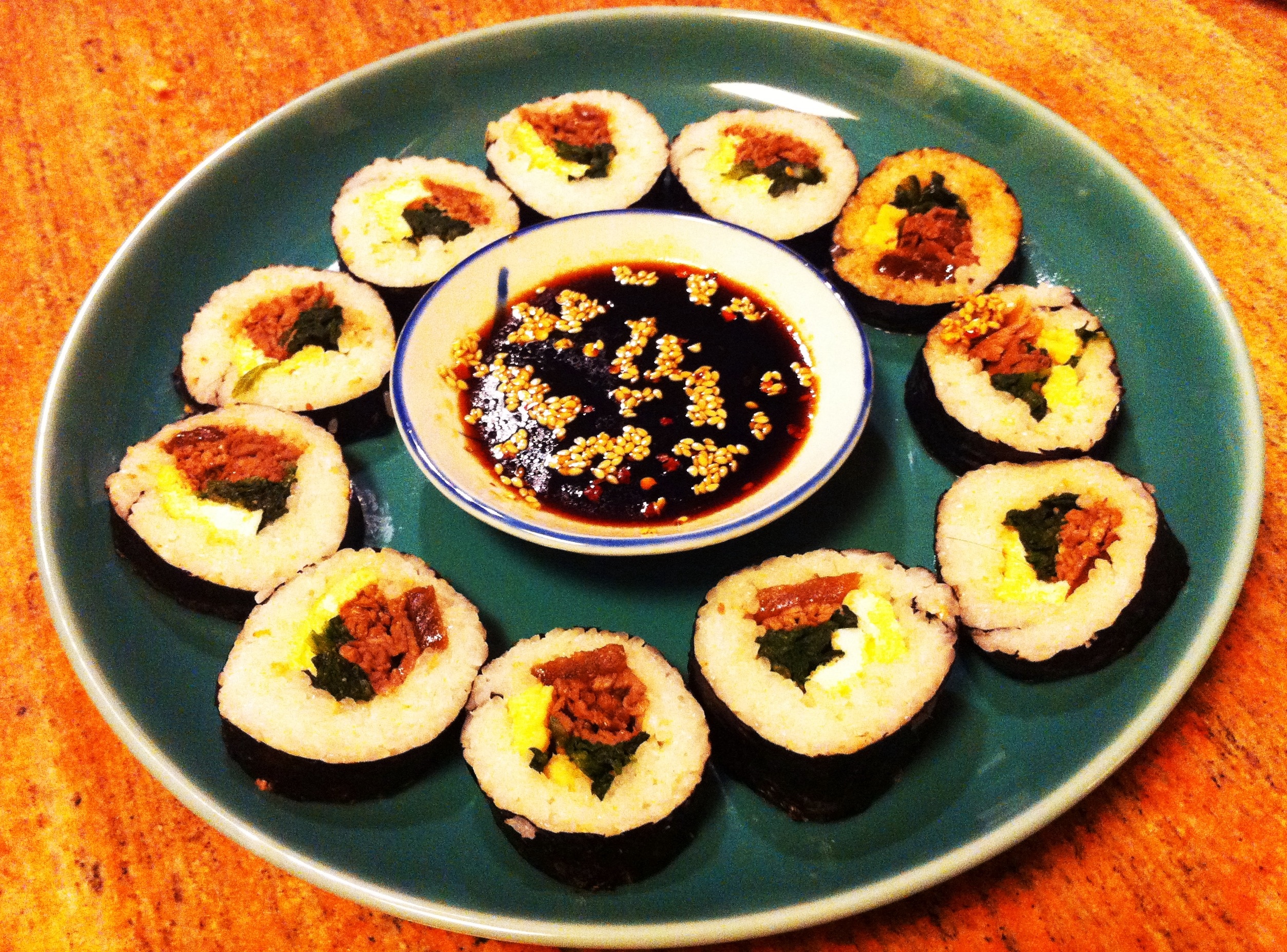
I normally make my own Korean side dishes, but April has been a crazy month. I’ve been finishing up my master’s project and had little time to belabor my many loves, including cooking. So I went crazy in the pre-made section of the Korean market last week and have been happily transforming my purchases into kim bop, bibim bop and now a bento. Fly out tomorrow to defend. What a relief! I can get back to cooking after that … At least I made the mushrooms from scratch! Happy bento days ahead.

My checkout haul at Kukje Market in Daly City. It's amazing how far $84 can go at the Korean market versus at Whole Foods. I go crazy whenever I shop there, though I have to say their miyok guk tastes sadly nothing like my mom's.

No one like family

Standard

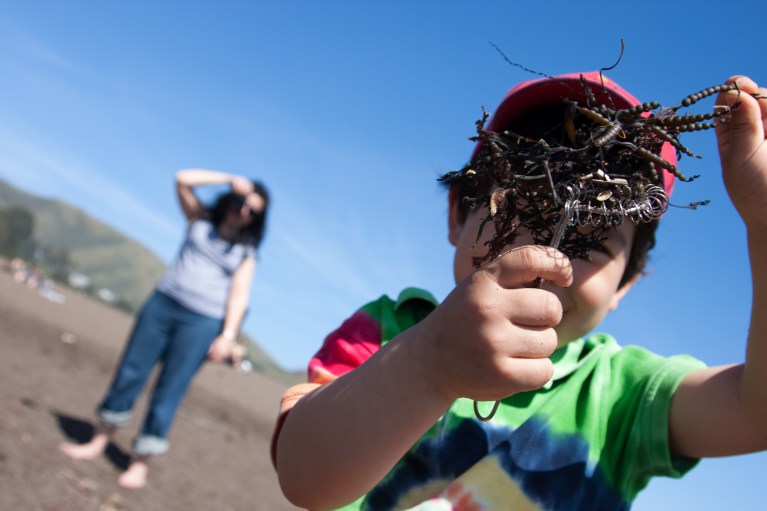
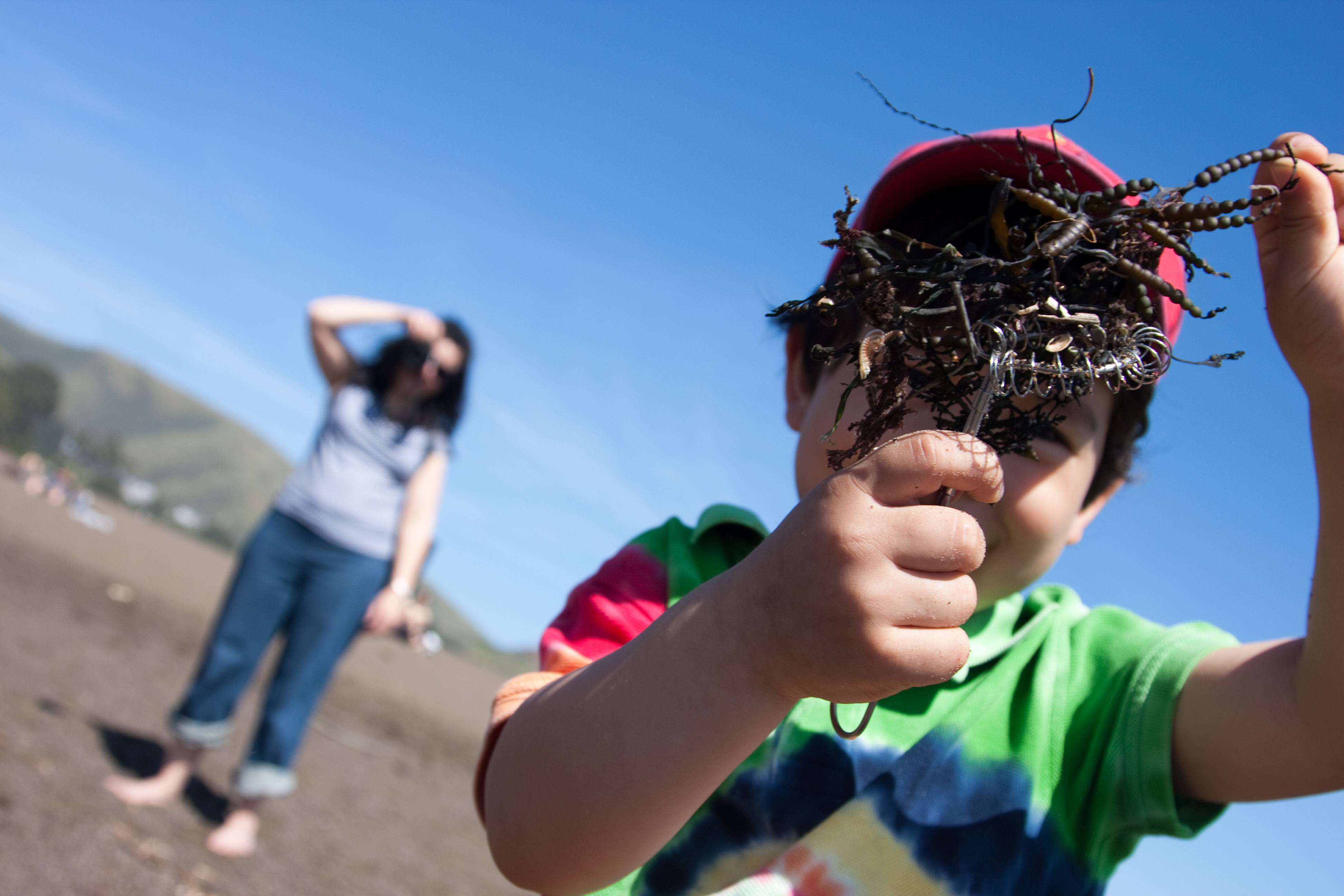
My adorable (and very curious) cousin playing with a cluster of seaweed and other treasures on a Marin beach

My second cousin and his beautiful family came out to California recently from Missouri. I feel so lucky to have such amazing people in my life. This is a picture of my second cousin once removed, who is a Korean Panamanian Chinese European American and a true delight.

Islands in the making

Standard

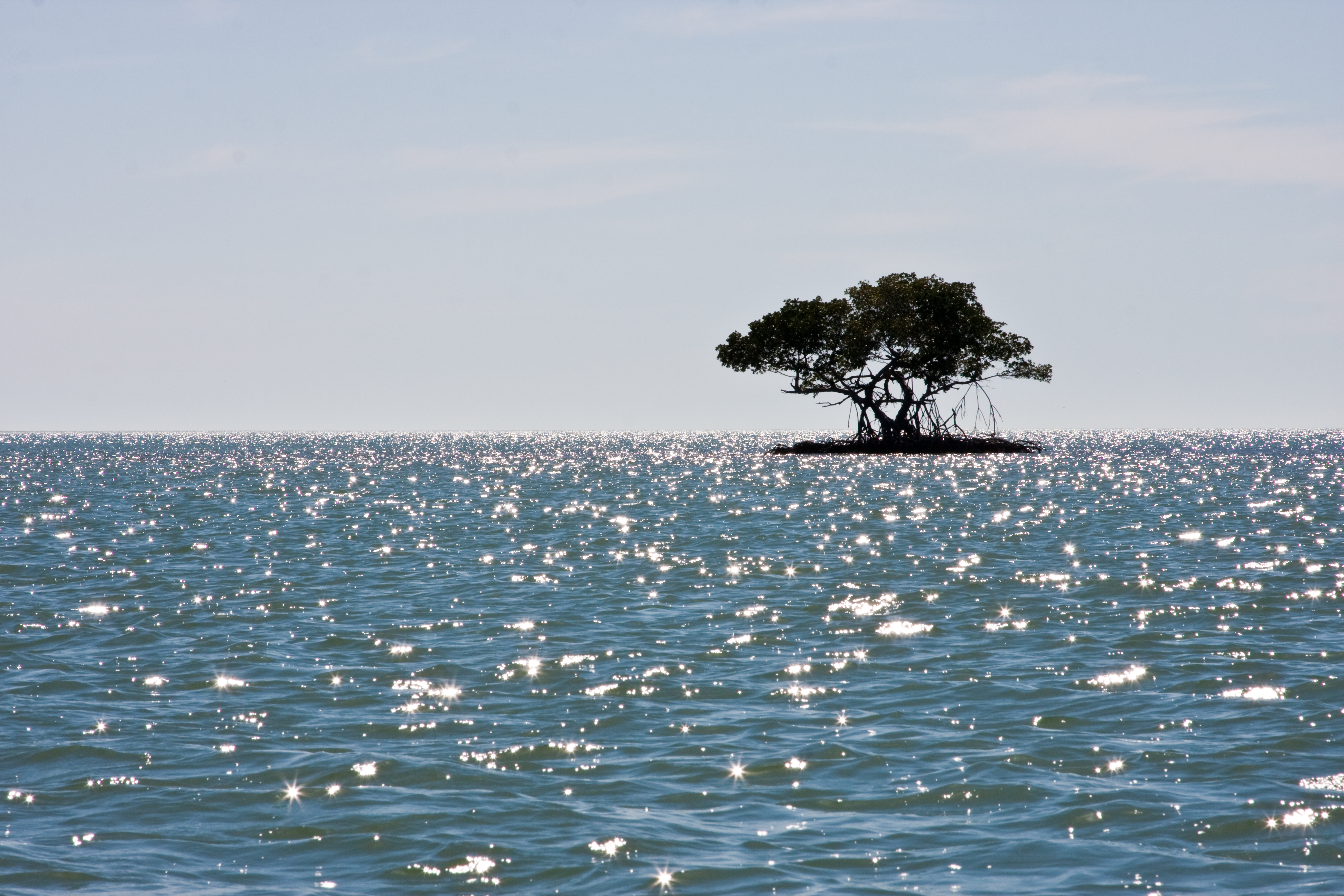
While canoeing along the southern end of the Everglades this past March, I came across many little islands in the making. These islets, often in the form of one or two lonely red mangrove trees, struck me as a symbol of hope.

Despite the vast sea stretching endlessly before them, floating seed pods willed themselves into a sandbank somewhere, harnessing the powers of great tidal shifts, forming themselves a new home. In the spirit of exploration and even of the persistence of life against all odds, these lone trees turned themselves into lone islands … And where lone islands form, other life is sure to follow.

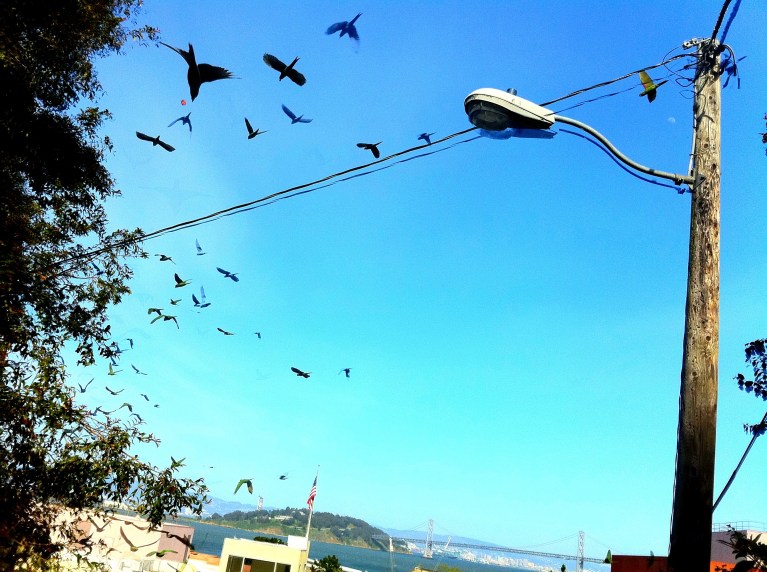
High in the treetops of narrow inlets and the tiny, well-rooted trees all around us, birds would perch and, sometimes even nest, forming silhouettes against the colors of a sky transitioning into darkness. How glorious that in five, ten or twenty years time, I may be parking my canoe on the banks of one of these “lone tree islets,” now independent islands in their own rights, and spending a night under the stars.

Spring: More than a feeling

Standard

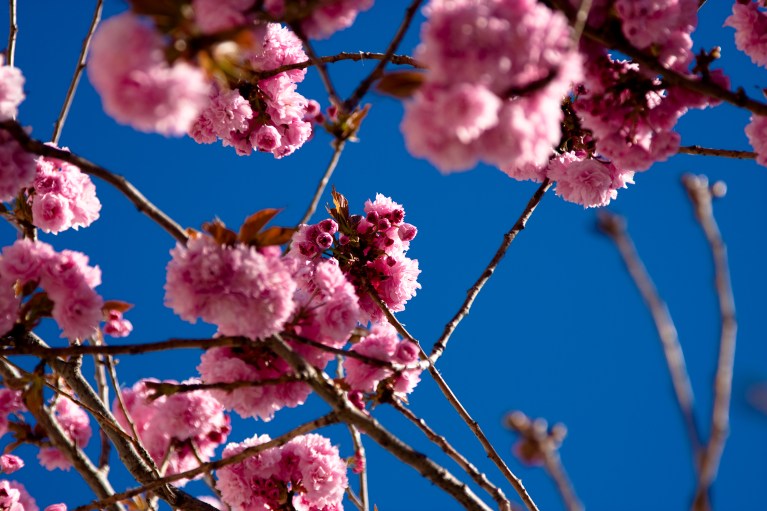
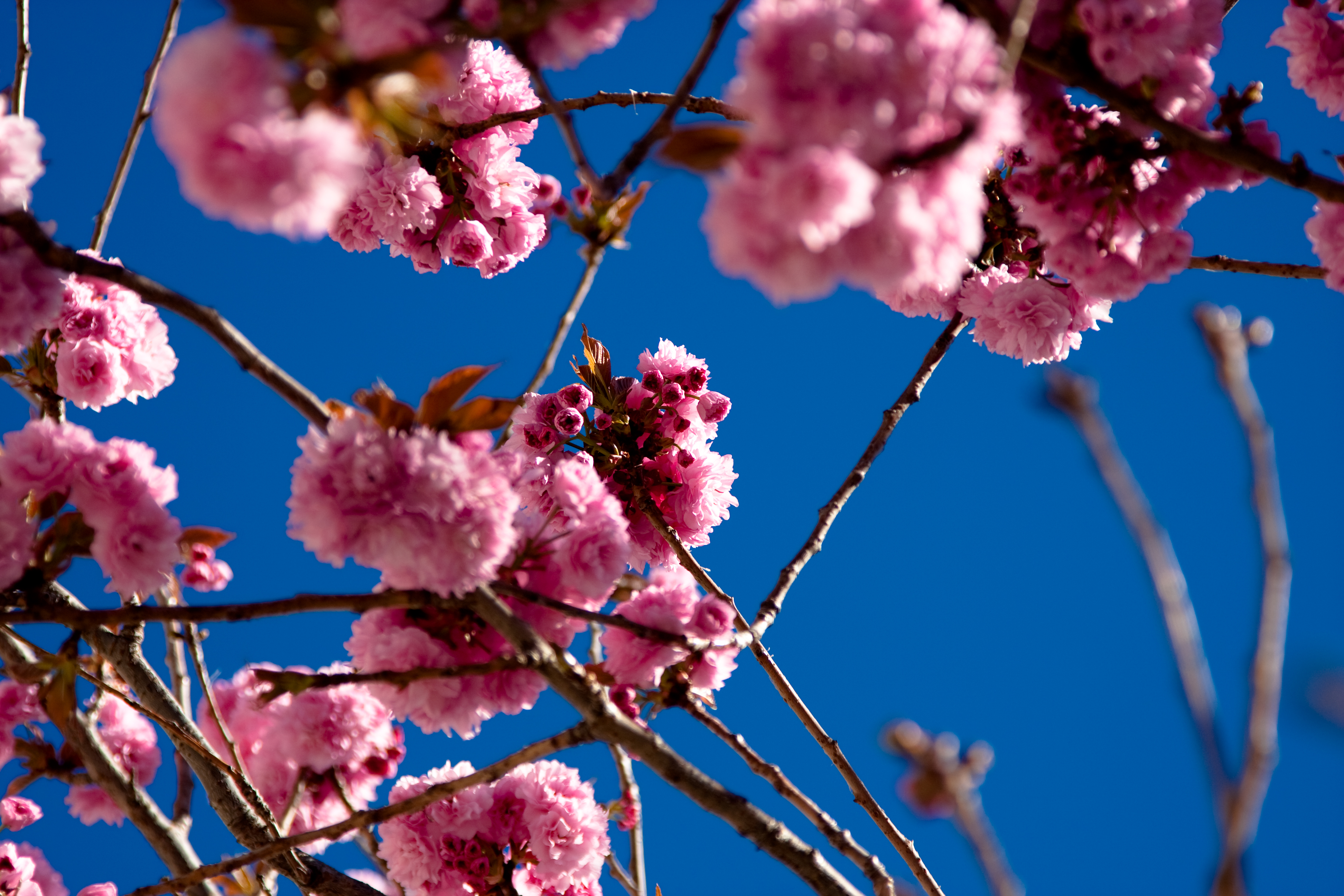
How amazing that, hovering right over our heads on the side of a busy street, spring is making magic? For all the glorious architectural creations of bygone generations and other beautiful manmade wonders, I still think the blooming of a flower is the most amazing thing.

Snapped the photo above after taking a walking tour of my neighborhood with SF City Guides. I’ve lived in Noe Valley for less than a year, but I’ve been coming to visit for almost a decade and figured it was time to learn about the truth behind its many charms.

You can see more photos from my tour on Flickr.

Once again, I am part of a gentrifying sweep, moving an old working-class neighborhood with an appealing low skyline into the ranks of the less affordable. This reminds me of my old Brooklyn neighborhood, Cobble Hill; so do all the cute boutiques, eateries and baby strollers.

But … It was great to have my eyes opened to all the architectural details they would normally gloss over. And now I can proudly distinguish a Stick House from a Queen Anne or an Edwardian. One sad note is that Nelly Street was once Orient Street, but they changed the name during World War II. People are silly, aren’t they? But whoever Nelly was, I am sure she was happy to get her own street.

Tours by SF City Guides are free and happening all the time, all around the city (schedule). And you can catch the latest buzz about lovely Noe Valley on this fun local blog, noevalleysf.blogspot.com.

Koreanese bento #21: New day, new box

Standard

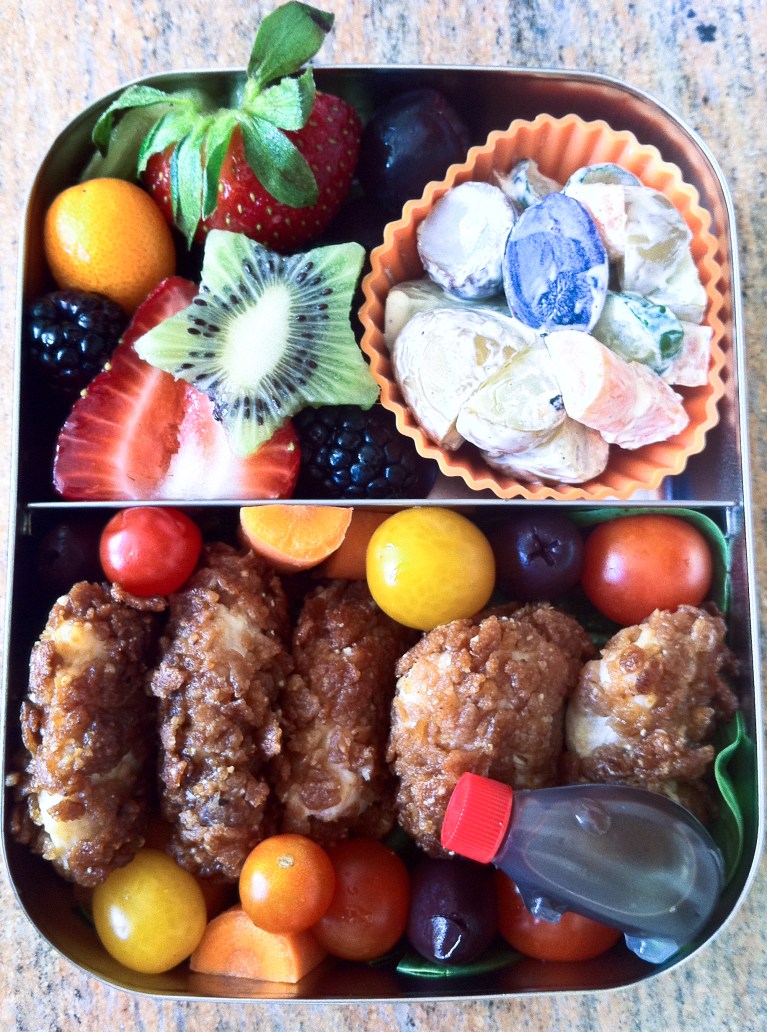
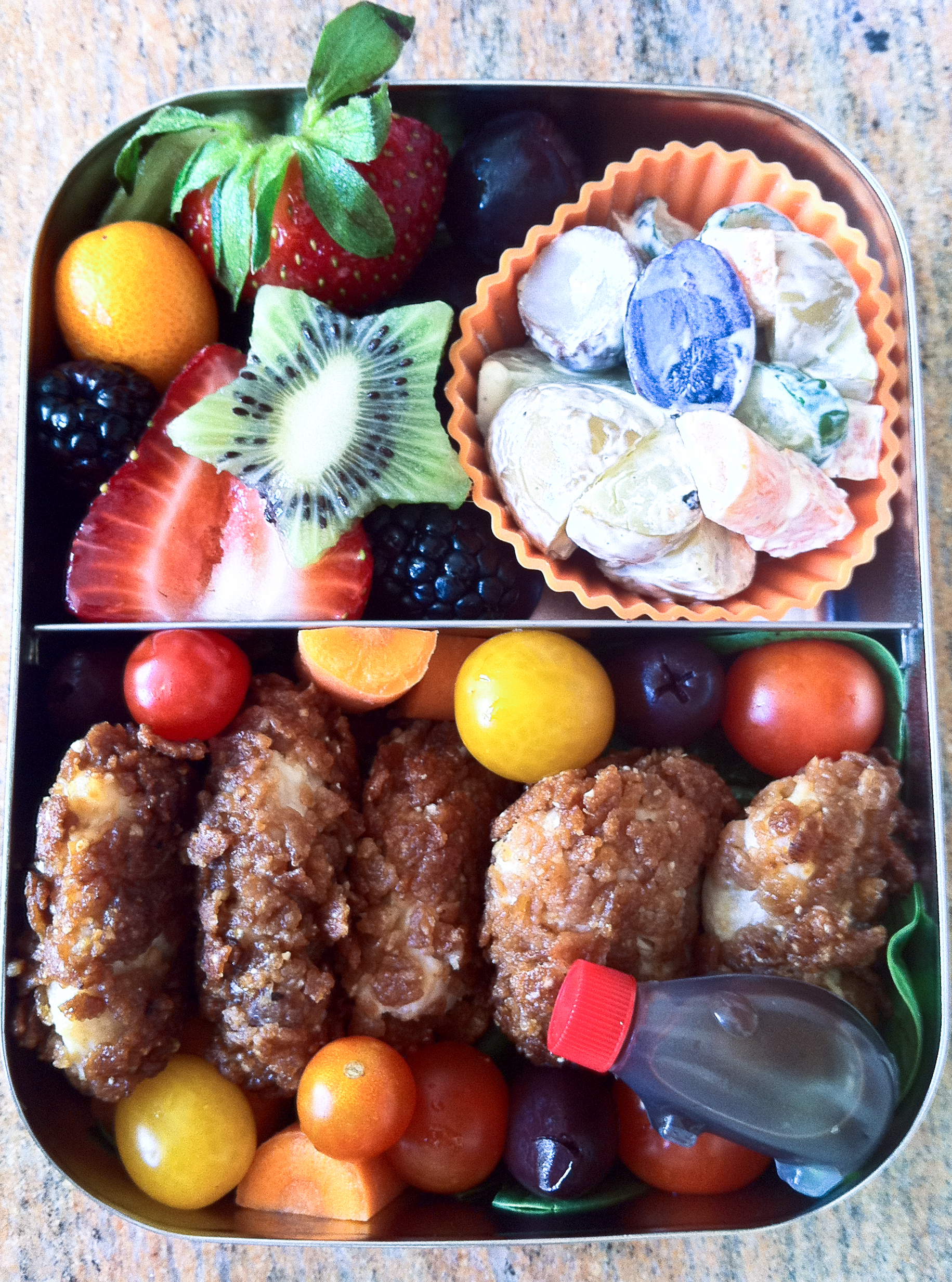
Chicken nuggets, grape tomatoes, olives and donkatsu sauce over baby spinach; spring potato, carrot and cucumber salad next to assorted fresh fruit

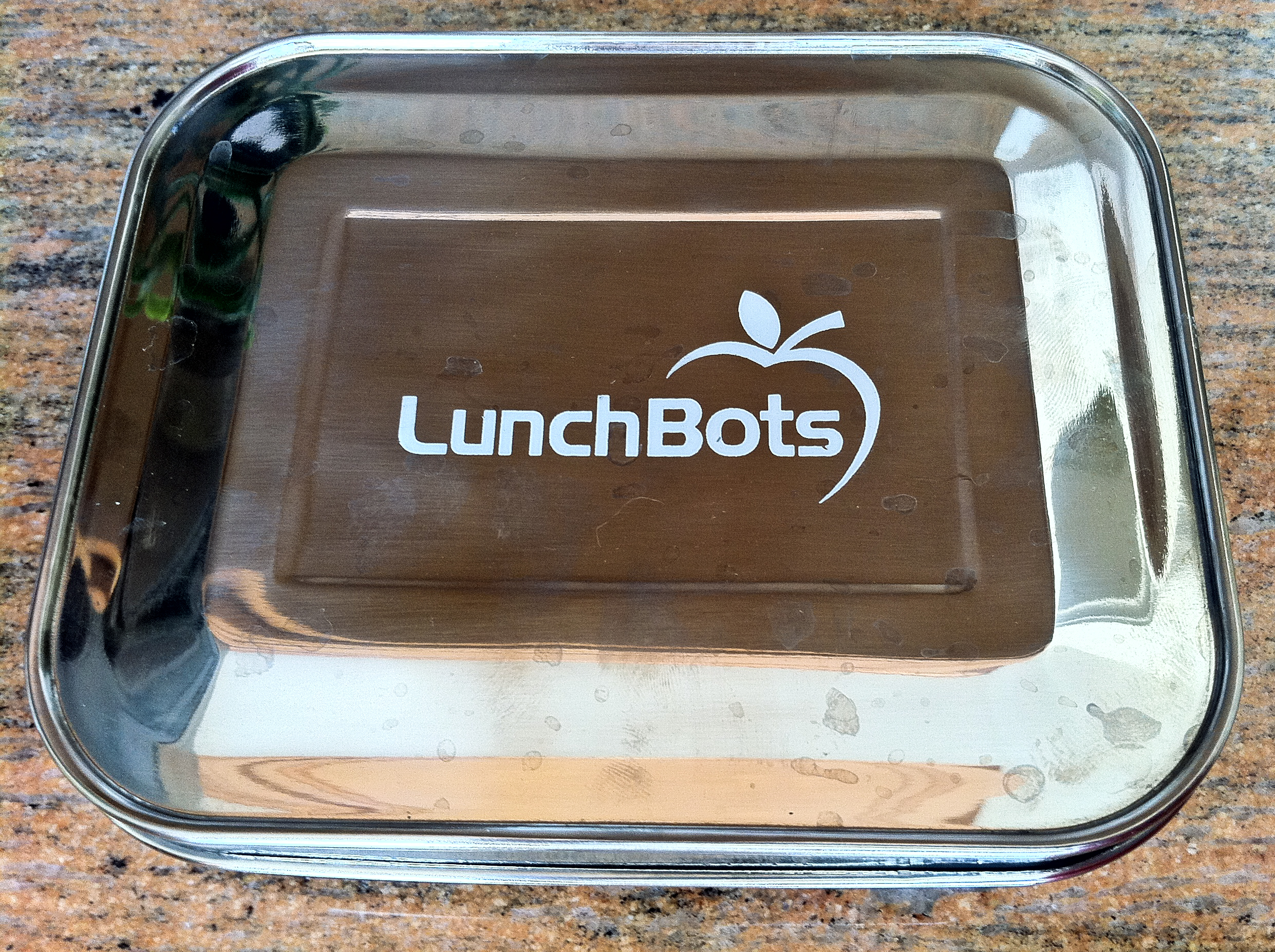
LunchBots stainless steel series uses no plastics and is dishwasher safe. This is the Duo model, which has, duh, two compartments.

Koreanese bento #20: Making do

Standard
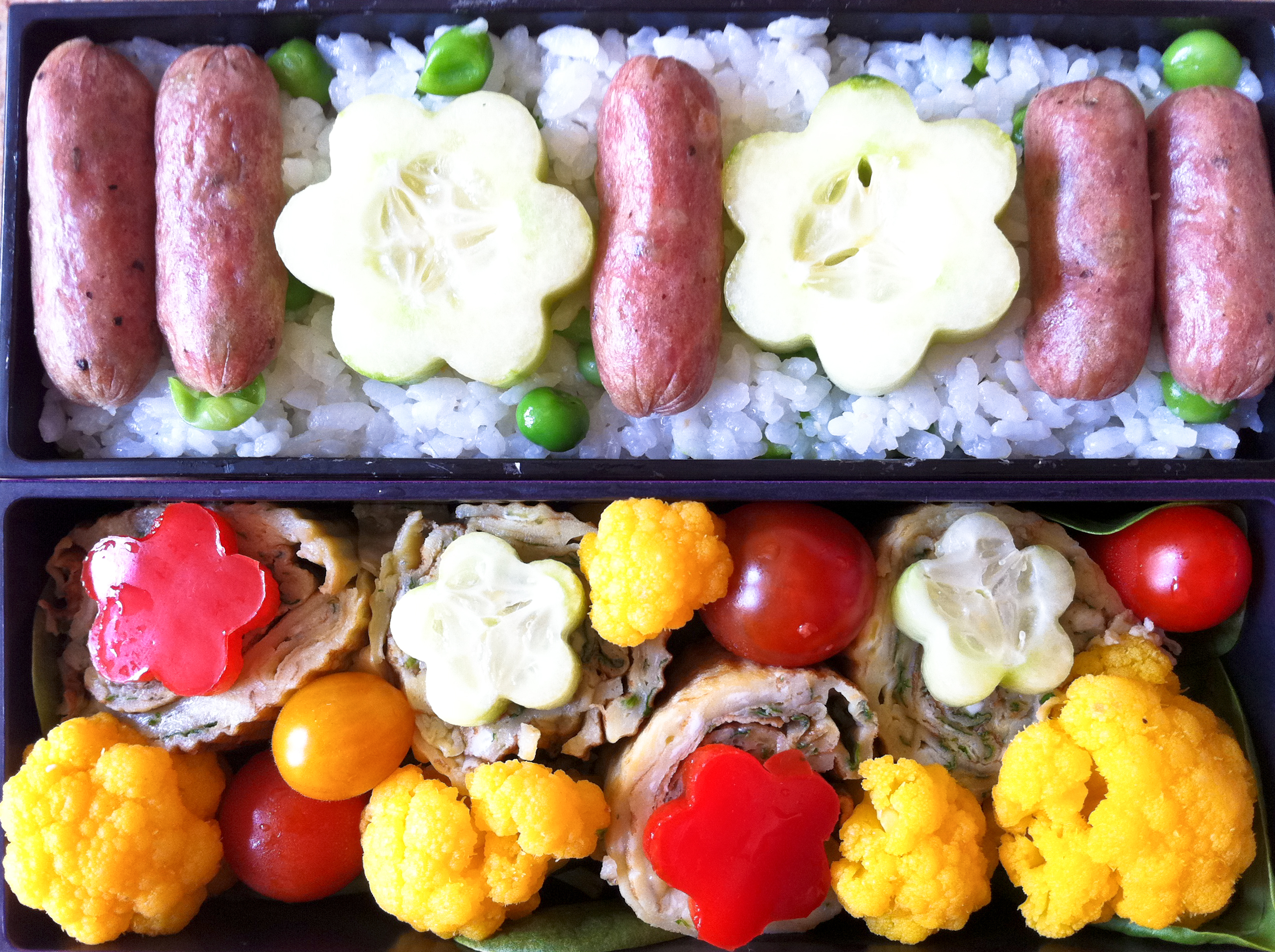
Chicken and apple mini sausages and cucumbers over white rice with peas; cilantro tamagoyaki (omelette roll), steamed cauliflower, grape tomatoes and veggie flowers on a bed of baby spinach leaves.

After an action-packed weekend of friends and family, academics and a capella, my fridge is looking pretty bare. So between my last few eggs, some cilantro on the verge, leftover rice and an old bag of frozen mini-sausages, I cobbled together this bento. Not too shabby, if I do say so myself, though I’m looking forward to going to the grocery store tonight.